Loring, Frances National Historic Person
Toronto, Ontario
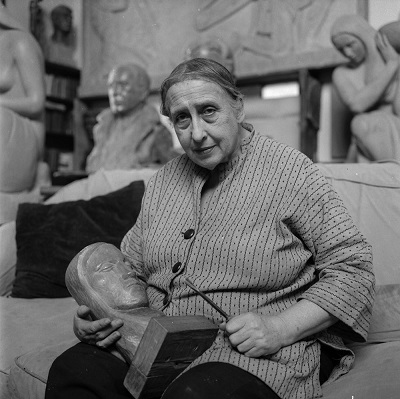
Frances Loring, 1959
© Bibliothèque et Archives Canada | Library and Archives Canada / Fonds de l'Office national du film | National Film Board fonds / e011176979
Address :
Toronto, Ontario
Recognition Statute:
Historic Sites and Monuments Act (R.S.C., 1985, c. H-4)
Designation Date:
2011-07-19
Life Date:
1887 to 1968
Other Name(s):
-
Frances Loring
(Designation Name)
Research Report Number:
2010-018
Importance:
One of Canada's leading and most talented sculptors during the peak of her career from 1920 to about 1948
Plaque(s)
Existing plaque: 276 St. Clair Avenue East, Toronto, Ontario
Trained in the Beaux-Arts tradition and influenced by modern trends, Frances Loring and Florence Wyle were important in the development of sculpture in Canada, producing many fine works that ranged from portraits to First World War memorials. Loring preferred to work on a monumental scale, while Wyle typically created smaller pieces that display sensitivity and a fine touch. For nearly 50 years, they shared a home and studio known as “The Church,” which served as a gathering place for the arts community in Toronto. Leaders in their field, Loring and Wyle were founding members of the Sculptors Society of Canada in 1928.