Entry of Women in the Military in World War II National Historic Event
Multiple plaque location, N/A
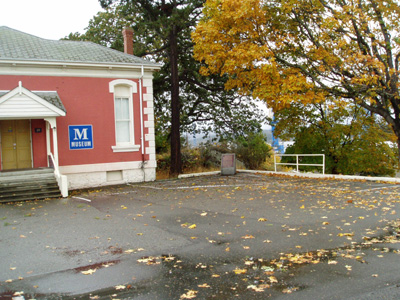
Location of the HSMBC plaque
© Parks Canada / Parcs Canada, 2001
Address :
Multiple plaque location, N/A
Recognition Statute:
Historic Sites and Monuments Act (R.S.C., 1985, c. H-4)
Designation Date:
1994-11-24
Other Name(s):
-
Entry of Women in the Military in World War II
(Designation Name)
-
Canadian Women's Army Corps (CWAC), Canadian Women's Auxiliary Airforce, Women's Royal Canadian Naval Service
(Other Name)
Importance:
Women's service within the Canadian Army, Canadian Air Force and Canadian Navy in World War II
Plaque(s)
Approved Inscription: Calgary, Alberta
Women’s service in the military during the Second World War challenged the tradition of all-male armed forces. Between 1941 and 1946, close to 17,000 volunteers enlisted in the Women’s Division of the RCAF and served in 65 non-combatant trades at air force stations here in Calgary, across Canada and abroad. Working in such unconventional settings transformed their lives and ambitions. The WDs made an outstanding contribution to the Allied victory. Their success helped pave the way for the advancement of Canadian women in the services and in the civilian world.
Existing plaque: Esquimalt, British Columbia
Women's service in the military during the Second World War challenged the tradition of all-male armed forces. Between 1941 and 1946, close to 22,000 volunteers enlisted in the CWAC and were posted to bases at home and abroad. Working in such unconventional settings transformed their life and ambitions. Joan Kennedy, later its commander, opened the first CWAC office on the Esquimalt base on 29 August 1941. The Corps contributed to Allied victory, paved the way for future generations of Canadian service women and raised questions about the equality of women in the civilian world.
Existing plaque: Wren's Block, Admiralty House NHSC 20 CFB Stadacona (2725 Gottingen St. at CFB Halifax), Halifax, Nova Scotia
Women's service in the military during the Second World War challenged the tradition of all-male armed forces. Between 1942 and 1946 close to 7,000 volunteers enlisted in the WRCNS and served in 26 non-combatant occupations on Canadian naval bases at home or abroad. By late 1943, nearly 1,000 "Wrens" worked in the Halifax area and lived in HMCS STADACONA, within sight of this spot. The WRCNS made an outstanding contribution to Allied victory, paved the way for future generations of Canadian service women and raised questions about the equality of women in the civilian world.