
Activities and experiences
Kejimkujik National Park and National Historic Site
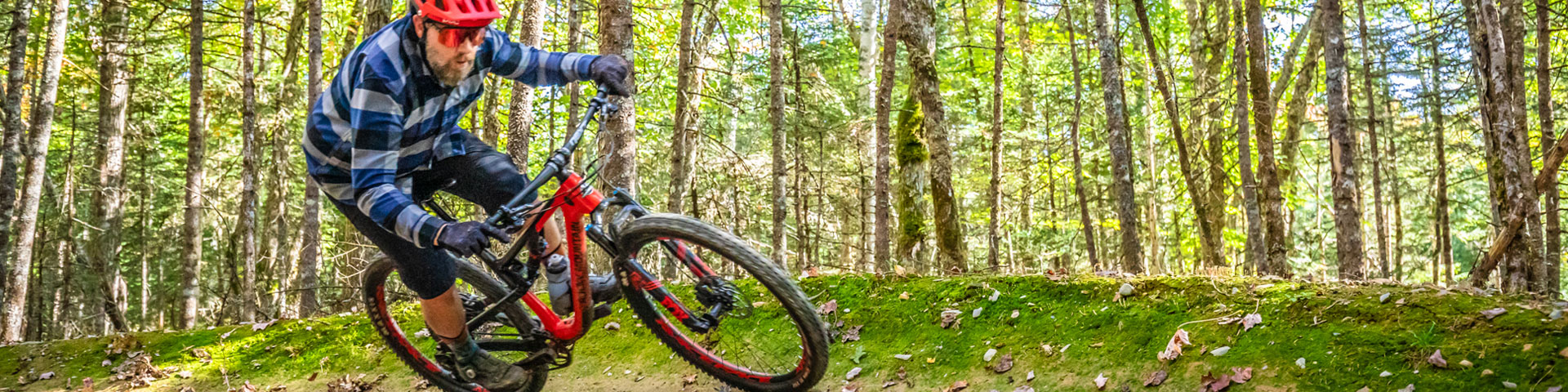
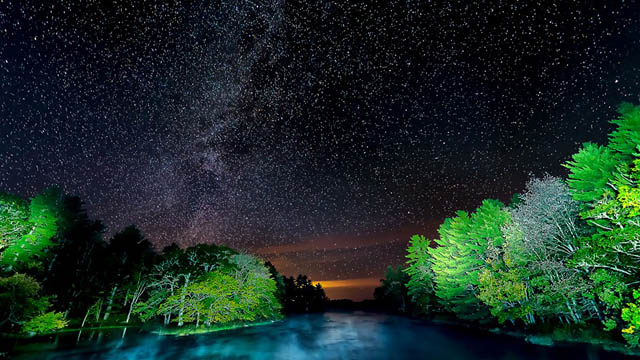
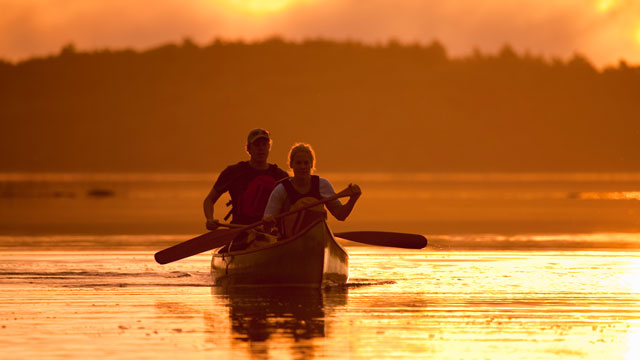
Discover deep traditions in harmony with nature. Indigenous petroglyphs illuminate thousands of years of Mi’kmaw heritage here. Paddle waterways and hike or bike woodland trails through rich ecosystems. Stay overnight in this Dark Sky Preserve.
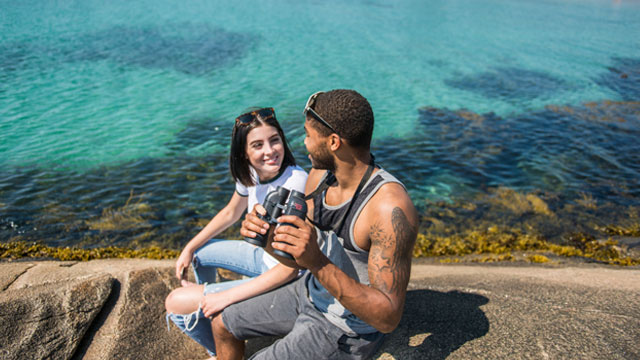
At Kejimkujik Seaside, the Atlantic coast reveals its beauty with white sand beaches, turquoise water, and lagoons that provide nurseries for all sorts of sea life.
Reservation launch dates
Parks Canada will be launching reservations for the 2024 visitor season starting in January.
Seasonal activities
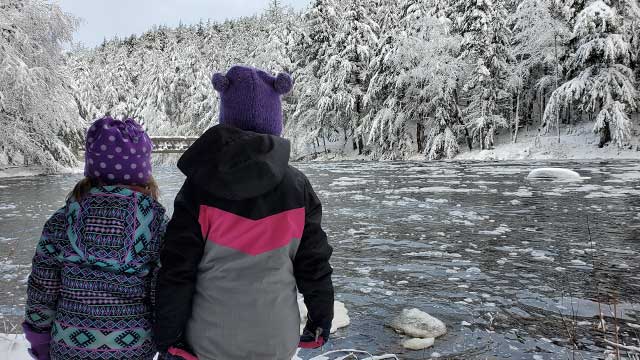
Kejimkujik is a great destination for fall and winter hiking, picnicking, geocaching, or stargazing.
Guided experiences
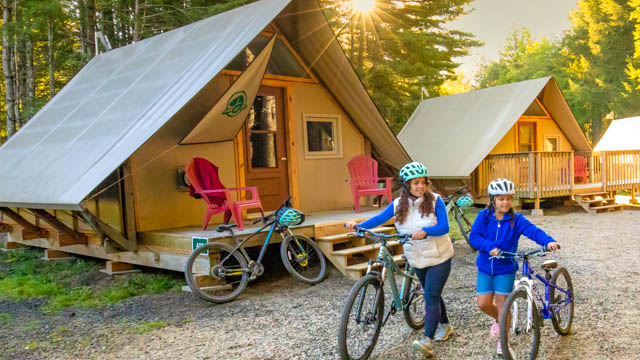
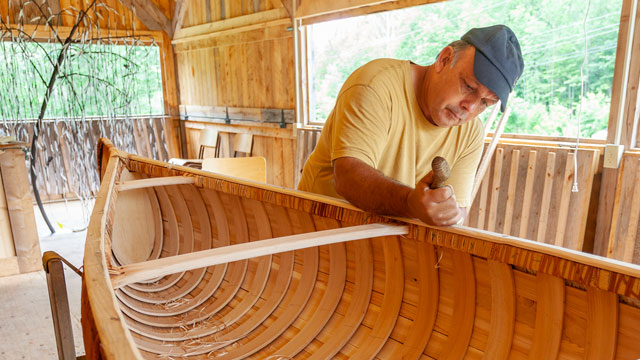
Get swept away on one of the many adventures Kejimkujik interpreters have prepared for you.
Equipment rentals
Equipment rentals are available from Whynot Adventure, the Keji Outfitters. Reservations in advance are recommended.
Kejimkujik Seaside
Explore a distinct region of Kejimkujik and discover wild beauty on the Atlantic coast.
Things to do
Tours and programs
Participate in a wide range of tours and programs at Kejimkujik in July and August.
Guided experiences
A variety of guided experiences are offered daily in July and August.
Parks Canada Perfect Picnic
The Parks Canada Perfect Picnic is available from participating restaurants from July to October 31.
Family programs
Kid-approved, family-friendly programs.
School programs
Kejimkujik welcomes school groups of all ages during the spring and fall seasons.
Volunteer opportunities
Volunteer with us! Get Involved! Email: benevolekeji-kejivolunteer@pc.gc.ca
Breathe easier in Kejimkujik!
Transcript
[ This video contains no spoken words ]
Animated Parks Canada logo.
Kejimkujik National Park and National Historic Site, Nova Scotia.
A montage of the scenic views and various experiences available at Kejimkujik National Park and National Historic Site. The displayed experiences include: canoeing in Kejimkujik Lake, hiking and biking on forested trails, and families enjoying the oTENTik, rustic cabin, and Parks Canada Red Chairs.
Like. Comment. Share. www.pc.gc.ca
Parks Canada logo.
Animated Canada wordmark.
Camping and overnight accommodations
 Backcountry camping
 Canoe camping
 Camping
 Ôasis
Ôasis
 oTENTik
 Roofed accommodations
 Rustic cabin
 Yurt
Yurt
Activities
 Cross-country skiing
 Cycling
 Dog walking (on leash)
 Fatbiking
 Fishing
 Geocaching
 Interpretive trail
 Kayaking
 Mountain biking
 Paddling
 Playground
 Finding the Parks Canada red chairs
 Snowshoeing
 Swimming
 Tours and programs
 Youth Programs
Tours and programs
 Parks Canada Perfect Picnic
 Stargazing
 Fall, winter, and spring
 Theatre
Things to do
 Cafe
Cafe
 Beach
Beach
 Animal watching
 Bird watching
 Museum
 Photography
Things to do at Kejimkujik National Park Seaside
 Parking
Services and amenities
 Accessible Parking
 Accessible services
 Accessible toilets
 Accommodations
 Automated External Defibrillator (AED)
 Bicycle rentals
 Bus parking
 Camping equipment rentals
 Device charging station
 Docking
 Dogs on leash
 Equipment rentals
 Indoor Exhibit
 Interpretation
 Gift shop
 Information
 Lookout
 Outhouses
 Picnic shelter
 Wi-Fi
Wi-Fi
Services and amenities at Kejimkujik National Park Seaside
- Date modified :