
Activities and experiences
Gros Morne National Park
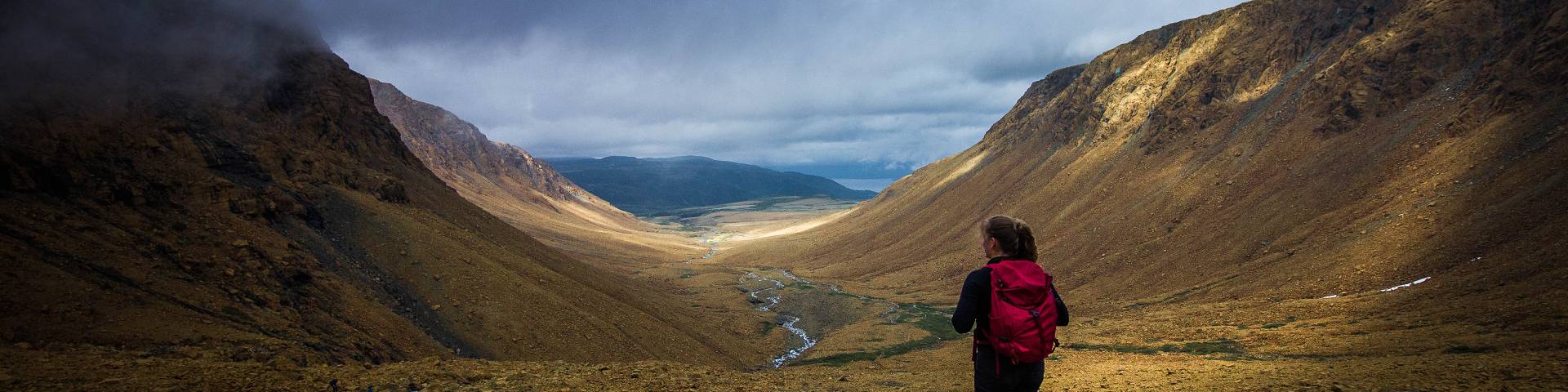
A diverse landscape and a unique open-air geological showcase, Gros Morne brings to life the planet’s history and that of Newfoundland’s rural culture. Cruise a cliff-lined freshwater fjord, stroll across 500 million years of the earth’s past in an hour, visit a colourful coastal village, and hike a rare exposed piece of the Earth’s mantle. Explore on your own for a day or longer, or join guided activities including interpretive walks and a boat trip.
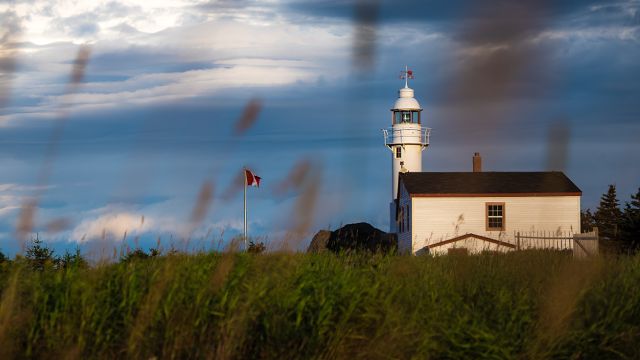
Lobster Cove Head Lighthouse Exhibit
The Lobster Cove Head Lighthouse has always been a place of gathering for coastal people of Newfoundland. Explore this historical lighthouse, partake in coastal adventures and enjoy seaside walks or a picnic with a view at Lobster Cove Head.
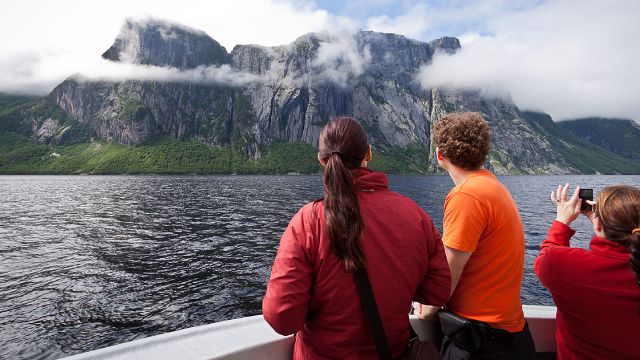
Cruise the freshwater fjord of Western Brook Pond
An easy walk past natural bog and forest leads to the dock for a scenic boat trip up Western Brook Pond, cruising the base of sheer cliff walls where waterfalls tumble, to the end of the freshwater fjord.
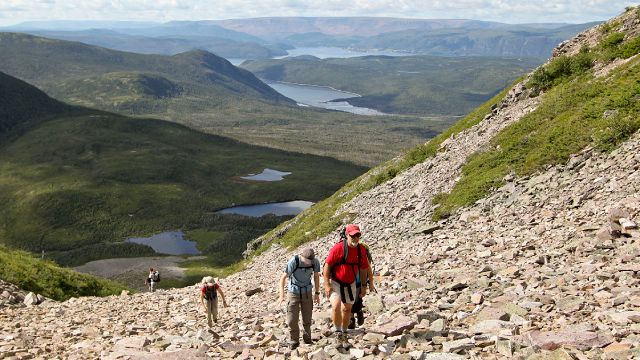
Trek to the panoramic views atop Gros Morne Mountain’s summit
Trek to the top of Gros Morne Mountain, the park’s high point, on a challenging, one-day, 18-kilometer loop. Hike from lowland to alpine terrain amid wildflowers and wildlife, enjoying panoramic views from the summit.
Activities
Experiences and activities available in Gros Morne.
Tours and programs
Interpretation tours and programs in Gros Morne National Park.
Camping and overnight accommodations
Information on camping and overnight accommodations in and around Gros Morne National Park
Red Chairs
Information on the red chairs located in Gros Morne National Park.
Winter activities
Details about winter activities in Gros Morne National Park
Healthy Parks Healthy People
Information on the Healthy Parks Healthy People program.
Things to do
 Tours and programs
 Boat tour
 Hiking
 Camping
 Backcountry camping
 Stay overnight
 oTENTik
 Kayaking
 Mountain biking
 Geocaching
 Cross country skiing
 Ski touring
 Snowshoeing
 Beach
Beach
 Fishing
 Picnicking
 Stargazing
- Date modified :